Introduction
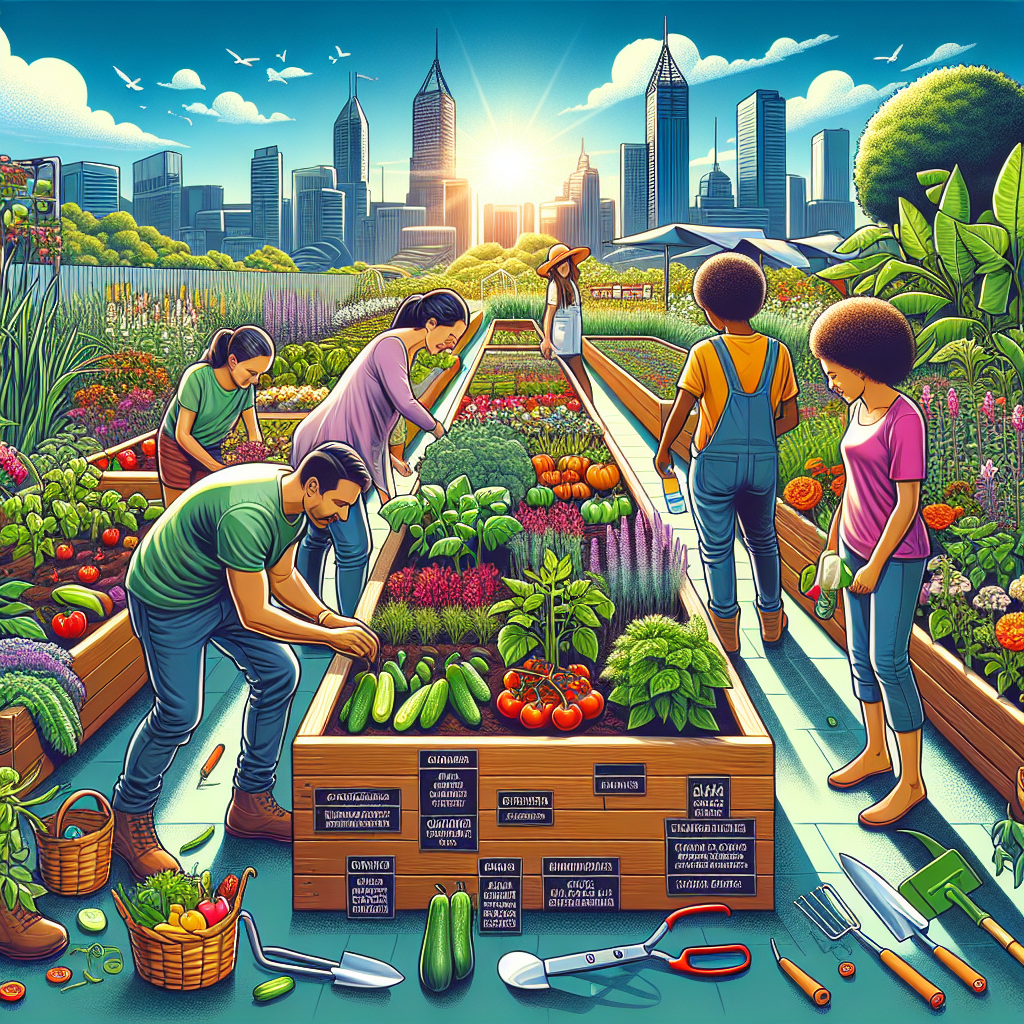
Raised bed gardening has rapidly become one of the most popular and effective ways to grow vegetables, herbs, and flowers in Australian backyards. Whether you’re a seasoned gardener or a beginner, planting in raised beds in Australia offers many advantages, including superior soil control, reduced weeds, and bountiful harvests. This comprehensive guide will provide you with essential advice, detailed layouts, beautiful design ideas, and step-by-step instruction to help you make the most of your raised beds.

Why Choose Raised Beds for Your Australian Garden?
- Improved Drainage: Raised garden beds drain more efficiently, which is crucial in regions with heavy rainfall.
- Better Soil Quality: You control and amend your soil more effectively, perfect for the varied soils across Australia.
- Extended Growing Seasons: Soil in raised beds warms up faster in spring, giving your veggies a head start.
- Ease of Access: No more bending over or kneeling – beds can be built to suit your preferred working height.
Common LSI Keywords for Raised Bed Gardening in Australia
When exploring the topic of planting in raised beds in Australia, gardeners often search for terms such as: raised vegetable garden layouts, best soil for raised beds, organic gardening techniques, seasonal planting guide, soil amendments, drought-resistant plants for Australia, permaculture in raised beds, Australian gardening zones, companion planting ideas, and raised garden bed maintenance.
Designing Your Raised Garden Bed Layout
The layout of your raised beds impacts plant health, productivity, and aesthetics. Before you start building, consider the following design elements:
- Location: Choose a site with 6-8 hours of sunlight. Raised beds are ideal for urban backyards, courtyards, and rural acreages alike.
- Orientation: In most Australian regions, orient beds north-south for even sunlight distribution.
- Materials: Timber, corrugated iron, recycled sleepers, and bricks are popular choices. Always use untreated or non-toxic materials.
- Size and Spacing: A width of 1m to 1.2m allows you to reach the centre from either side. Leave at least 45cm between beds for easy access.
Inspiring Layout Ideas for Raised Beds
- Keyhole Beds: Circular or curved designs improve space and accessibility.
- U-Shaped Layouts: These maximize growing space within a compact footprint and offer an ergonomic working area.
- Tiered Beds: Perfect for sloped sites; tiers add visual interest and help with water regulation.

Preparing the Best Soil for Raised Beds in Australia
The backbone of productive raised beds is rich, friable, and well-draining soil. Here’s how to create the perfect blend for your Australian garden:
- Base Layer: Add coarse gravel, straw, or woody branches at the bottom for improved drainage and slow decomposition.
- Main Body: Mix high-quality garden soil with compost (about 50:50 ratio). Add organic matter such as worm castings or aged manure for nutrients.
- Soil Amendments: Depending on your region, supplement with trace minerals, lime (for acidic soils), or gypsum (for clay soils).
- Mulch: Always finish with a generous layer of mulch (sugar cane, straw, or lucerne) to conserve moisture and suppress weeds.
Recommended Soil Mix Recipe
- 50% topsoil (quality loam or sandy-loam)
- 30% compost
- 10% coarse sand for drainage
- 10% organic matter (e.g., aged manure or mushroom compost)
Refresh soil annually and rotate crops to maintain fertility and soil structure.
Best Plants to Grow in Raised Beds in Australia
Raised beds suit almost any edible or ornamental plant, but some thrive especially well:
| Vegetables | Herbs | Flowers (Companions) |
|---|---|---|
| Tomatoes, carrots, lettuce, silverbeet, beans, zucchini, radishes, capsicum | Basil, parsley, coriander, thyme, mint, rosemary | Marigold, nasturtium, calendula, alyssum |
Companion Planting & Pest Control
Plan for biodiversity. Mixing flowers and herbs with veggies boosts pollinator visits and deters pests. For example, marigolds repel nematodes, while basil planted near tomatoes can enhance fruit flavor and reduce insects.

Seasonal Planting Guide for Australian Raised Beds
Australia’s climate varies greatly, from tropical to temperate to arid. Use the planting calendar for your region (cool, warm, or hot zone). Here are general seasonal suggestions:
- Autumn: Broccoli, garlic, onions, peas, spinach, cauliflower
- Winter: Cabbage, kale, broad beans, leeks, asian greens
- Spring: Tomatoes, zucchini, capsicum, cucumber, corn
- Summer: Sweet potatoes, pumpkins, eggplant, chillies, watermelon
Adjust your planting schedule to local frosts and heatwaves. Consider shade covers in the hottest regions for summer crops.
Watering & Maintenance Tips
Efficient water management is key to success when planting in raised beds in Australia.
- Install drip irrigation or soaker hoses to deliver water directly to the root zone.
- Water deeply in the morning to minimise evaporation.
- Keep mulch renewed to conserve moisture and suppress weeds year-round.
- Monitor for pests – manually remove snails and slugs, or use safe organic deterrents.
- Incorporate crop rotation and green manure crops to renew your soil naturally.
Additional Raised Bed Gardening Ideas
- Add a trellis to support climbing vegetables like beans and cucumbers.
- Install netting frames for bird and pest protection.
- Edging your beds with aromatic herbs will help attract beneficial insects and deter unwanted bugs.
Conclusion
Planting in raised beds in Australia is a versatile, rewarding, and eco-friendly method, suitable for both food production and ornamental gardens. With the right layout, the ideal soil mix, and attention to seasonal nuances, your raised bed will be easy to manage and visually appealing—offering a steady supply of fresh produce and flowers throughout the year. Embrace organic practices and enjoy the gardening journey in the unique Australian climate!