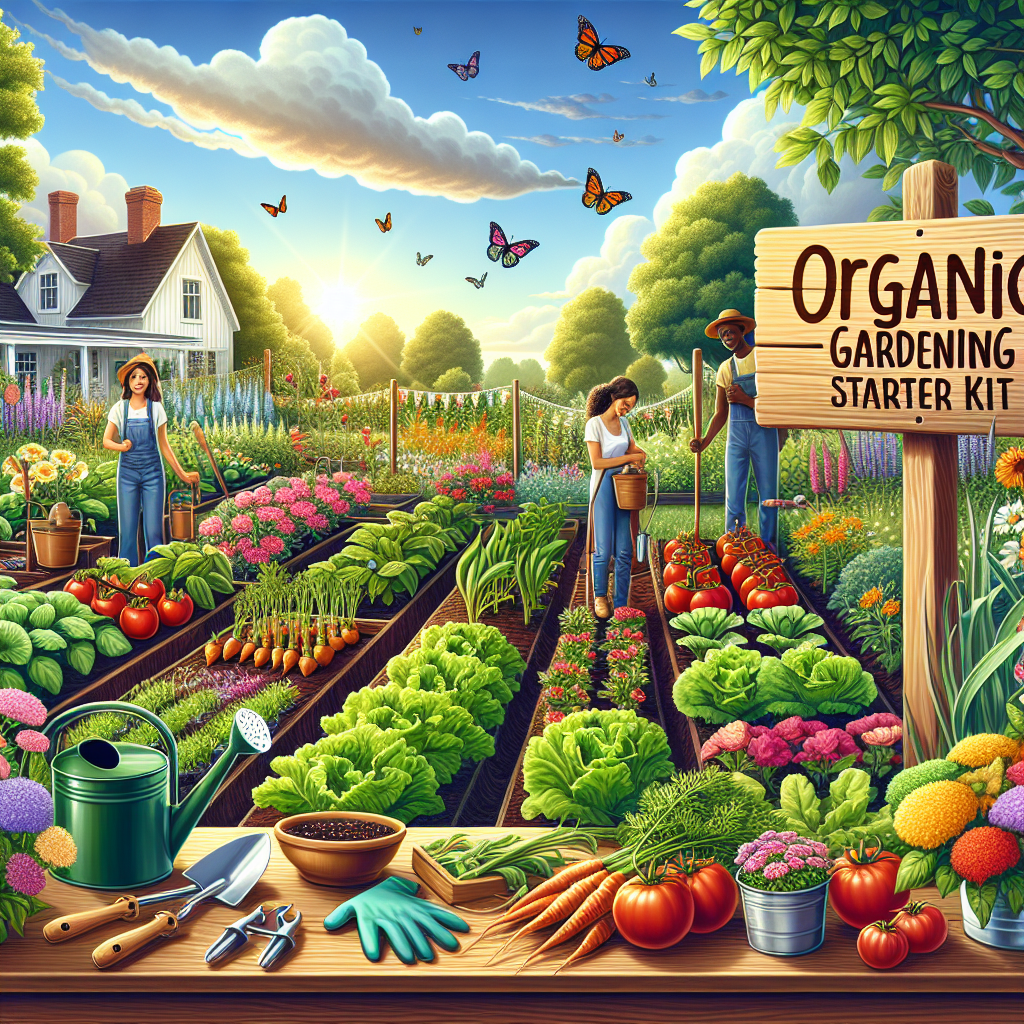
Welcome to Your Organic Gardening Starter Kit Guide
Are you dreaming of fresh, homegrown vegetables and vibrant herbs, all free from synthetic chemicals and pesticides? This comprehensive organic gardening starter kit guide is designed to empower beginners like you! Whether you have a balcony, backyard, or windowsill, get ready to unlock delicious flavors and lush greenery right at home.

Why Choose Organic Gardening?
Organic gardening is more than a hobby—it’s a lifestyle that prioritizes health, sustainability, and the environment. By choosing natural fertilizers and pest control, you nurture nutritious produce rich in vitamins and minerals. Experience the satisfaction of cultivating non-GMO crops, promoting soil health, and protecting pollinators like bees and butterflies.
Benefits of an Organic Gardening Starter Kit
- All-in-One Convenience: Starter kits include seeds, soil, pots, basic tools, and beginner instructions—no guesswork, just gardening!
- Time and Money Saver: Avoid unnecessary purchases and costly mistakes; everything you need comes curated in one box.
- Sustainable Gardening Practice: Most kits focus on eco-friendly materials, compostable pots, and natural pest solutions.
- Perfect for Small Spaces: Grow herbs, salad greens, and veggies even in compact apartments or outdoor containers.
What’s Inside a Quality Organic Gardening Starter Kit?
Here’s what you typically find in a well-designed starter set:
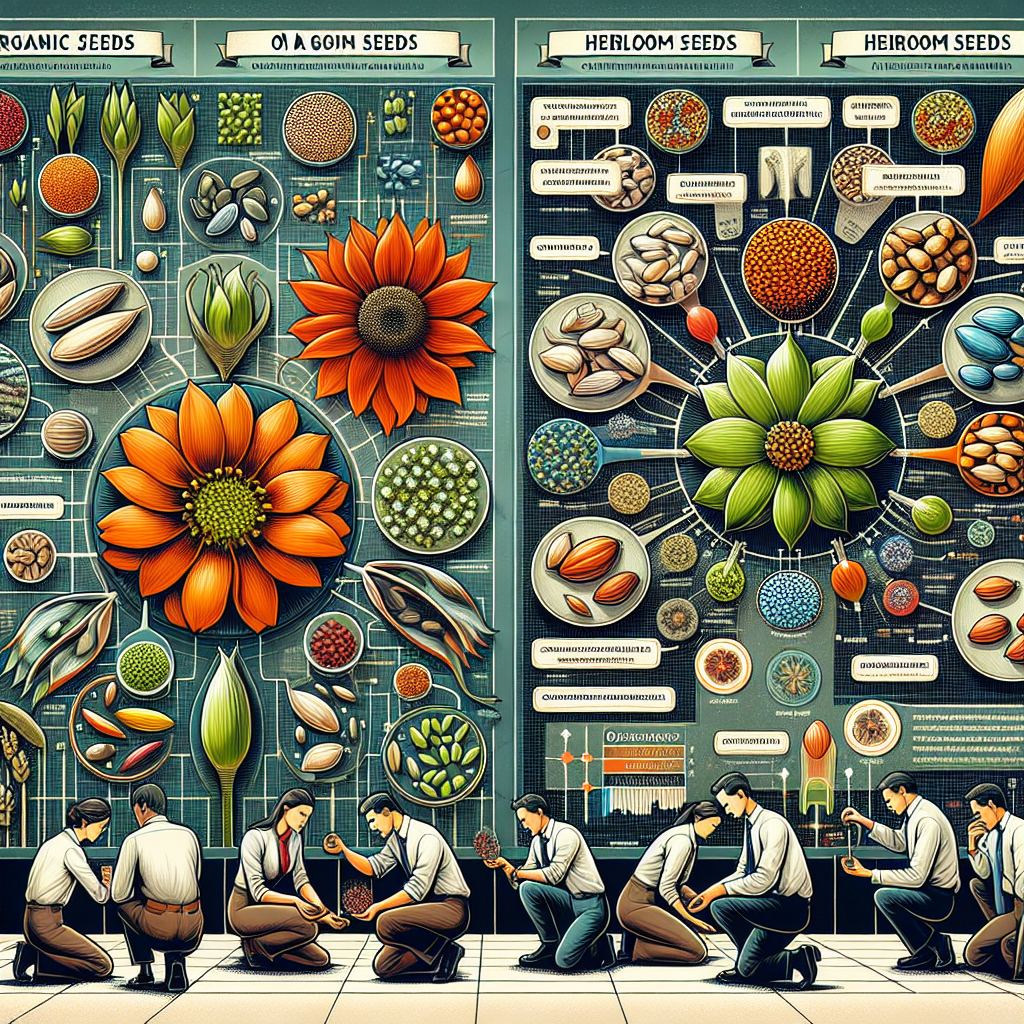
- Certified Organic Seeds: Heirloom tomatoes, aromatic basil, crisp lettuce, and sometimes even microgreens or radishes.
- Organic Potting Soil: Packed with compost, natural minerals, and microbes, this soil fosters robust root growth.
- Biodegradable Pots or Growing Trays: Start seeds indoors or outdoors without damaging roots during transplanting.
- Instruction Guide: Step-by-step, beginner-friendly growing guide to maximize your harvest.
- Basic Tools: Hand trowel, gloves, watering bottle, and plant markers for organization.
- Natural Fertilizer or Compost Discs: Boost seedling vitality without synthetic additives.

How to Use Your Organic Gardening Starter Kit: Step-by-Step
1. Choose the Right Location
- Look for a sunny spot with at least 6 hours of light daily.
- Consider growing indoors on a south-facing windowsill or balcony for compact kits.
- Outdoor raised beds or patio containers work great too.
2. Prepare Your Kits and Soil
- Add any included organic potting mix to your pots or trays.
- Dampen the soil, but don’t overwater—seeds need moisture, not puddles.
3. Plant Your Seeds
- Follow the depth and spacing instructions provided for each seed type.
- Label each pot using the included markers and date for easy tracking.
- Cover seeds lightly with soil and mist gently.
4. Care for Your Seedlings
- Maintain consistent moisture using a spray bottle. Avoid soaking.
- Keep pots in a warm location to encourage germination. Some seeds sprout in less than a week!
- Rotate pots if grown indoors so all sides get sunshine and grow evenly.
- Thin seedlings as needed to minimize overcrowding and boost healthy growth.
5. Feeding and Natural Pest Control
- Use the organic fertilizer or compost provided in your kit to boost nutrition once seedlings have true leaves.
- Remove pests by hand or with a mild soap and water spray—never harsh chemicals.
6. Transplanting Seedlings
- Once plants have 2-3 sets of leaves and the weather is mild, transplant outdoors (if desired), keeping soil intact around roots.
- Biodegradable pots can sometimes be planted directly into garden beds.
Popular Plants for Beginner Organic Gardens
- Herbs: Basil, cilantro, parsley, dill, mint
- Leafy Greens: Lettuce, kale, swiss chard, arugula
- Root Crops: Radishes, carrots, beets (require deeper pots)
- Vegetables: Cherry tomatoes, peppers, bush beans, cucumbers (choose compact or patio varieties)
- Microgreens: Fast-growing, super-nutritious, and ideal for limited spaces
Design Inspiration: Layouts for Your Organic Starter Garden
Smart layout boosts yields and looks beautiful! Arrange containers and pots in a triangle or staggered pattern for space-saving efficiency. Use plant stands, ladder shelves, or hanging planters for vertical gardening—especially in urban settings.
For outdoor gardens, companion planting (like basil with tomatoes or marigolds with veggies) deters pests and promotes healthy growth.

Include Decorative Touches
- Colorful pots or upcycled containers add beauty.
- Small garden statues or labels make it personal.
- Mulch with straw or shredded leaves to retain moisture and suppress weeds.
Essential Tips for Organic Gardening Success
- Start small. A few pots or trays let you master basics before expanding.
- Use rainwater if possible for gentle, mineral-rich irrigation.
- Keep a garden journal. Track progress, successes, and what you learn.
- Compost kitchen scraps. Banana peels, coffee grounds, and veggie trimmings enrich your soil long-term.
- Observe daily. Healthier plants result from consistent attention to watering, pests, and sunlight.
Long-Term Organic Garden Planning
As you gain confidence, you’ll want to grow new varieties and expand your organic patch. Many starter gardeners branch out to square-foot gardens, raised beds, or even pollinator-friendly flower borders.
- Rotate crops: Growing different plants each season helps keep soil healthy and prevents pest buildup.
- Add compost regularly: Feed your garden with homemade compost for bigger harvests.
- Try companion planting: Some combinations (like carrots and green onions) thrive together.
Inspiring Harvest: What to Expect
With patience and attention, your organic gardening starter kit will reward you with fresh greens, flavorful herbs, and a sense of accomplishment. Even children can join in, learning valuable lessons about nature and healthy eating!
Remember, organic gardening is a journey. Use this guide as your reference—and don’t be afraid to experiment and have fun along the way!
Key LSI Keywords for Organic Gardening Starter Kits
- Eco-friendly gardening supplies
- Beginner urban garden kit
- Natural fertilizer for vegetables
- Non-GMO seed starter pack
- Homegrown produce tips
- Sustainable garden containers
- Compostable plant pots
- How to grow organic herbs indoors
- Organic seed selection
- Healthy soil ecosystem
- Safe pest management
Conclusion: Start Your Organic Gardening Adventure Today!
Your organic gardening starter kit is not just a box—it’s the gateway to homegrown flavor, good health, and a greener planet. With just a little effort and guidance from this organic gardening starter kit guide, you’ll reap delicious, chemical-free harvests, beautify your space, and discover the joy of nurturing life from seed to table. Happy growing!