Introduction: The Importance of Untreated Seeds
Growing a healthy, organic garden starts with a crucial first step—choosing the right seeds. For many gardeners, untreated seeds for planting are a must-have. Unlike treated seeds, which are coated in chemicals or fungicides to prevent disease before germination, untreated seeds offer natural purity. These seeds are free from synthetic coatings, making them ideal for organic farming, sustainable gardening, and anyone seeking safe, chemical-free crops.

Why Choose Untreated Seeds?
Using untreated seeds for planting provides several benefits:
- Clean food: Plants grown from untreated seeds align with organic principles, ensuring you start your crops without exposure to potentially harmful substances.
- Environmental protection: Avoid introducing extra chemicals to your soil and ecosystems.
- Seed saving and heirloom varieties: Untreated seeds are usually open-pollinated, making them perfect for future seed saving and supporting rare or heritage plants.
- Promoting pollinator health: Untreated garden seeds are better for bees, butterflies, and beneficial insects sensitive to chemical residues.
What are Untreated Seeds?
Untreated seeds are simply those that have not been exposed to any synthetic chemicals, such as fungicides, pesticides, or colorants. These seeds are natural and often preferred by home gardeners who want to grow food as close to nature as possible. When shopping, it’s important to know what to look for, since terms like organic garden seeds, heirloom seeds, and non-GMO vegetable seeds are related but not always synonymous with “untreated”. Always check labels or ask suppliers specific questions.
LSI Keywords Related to Untreated Seeds
- Organic untreated vegetable seeds
- Non-GMO untreated seeds
- Best places to buy seeds online
- Open-pollinated seed varieties
- Seed packets for home gardening
- Sowing untreated seeds safely
- Heirloom seed sources
- Buying chemical-free seeds
- Pure seeds for your garden
- Natural seed supply
Where to Buy Untreated Seeds for Planting
If you’re searching for the best sources to purchase untreated seeds, you’ll want to explore several key options that cater to organic gardeners and sustainable farmers:
Local Garden Centers and Nurseries
Many community garden centers or specialty plant nurseries offer untreated and organic seed options, especially in spring and early summer. Ask the staff about the origins of their seeds, and specifically request those labeled as “untreated” or “chemical free.”
Seed Exchanges and Community Events
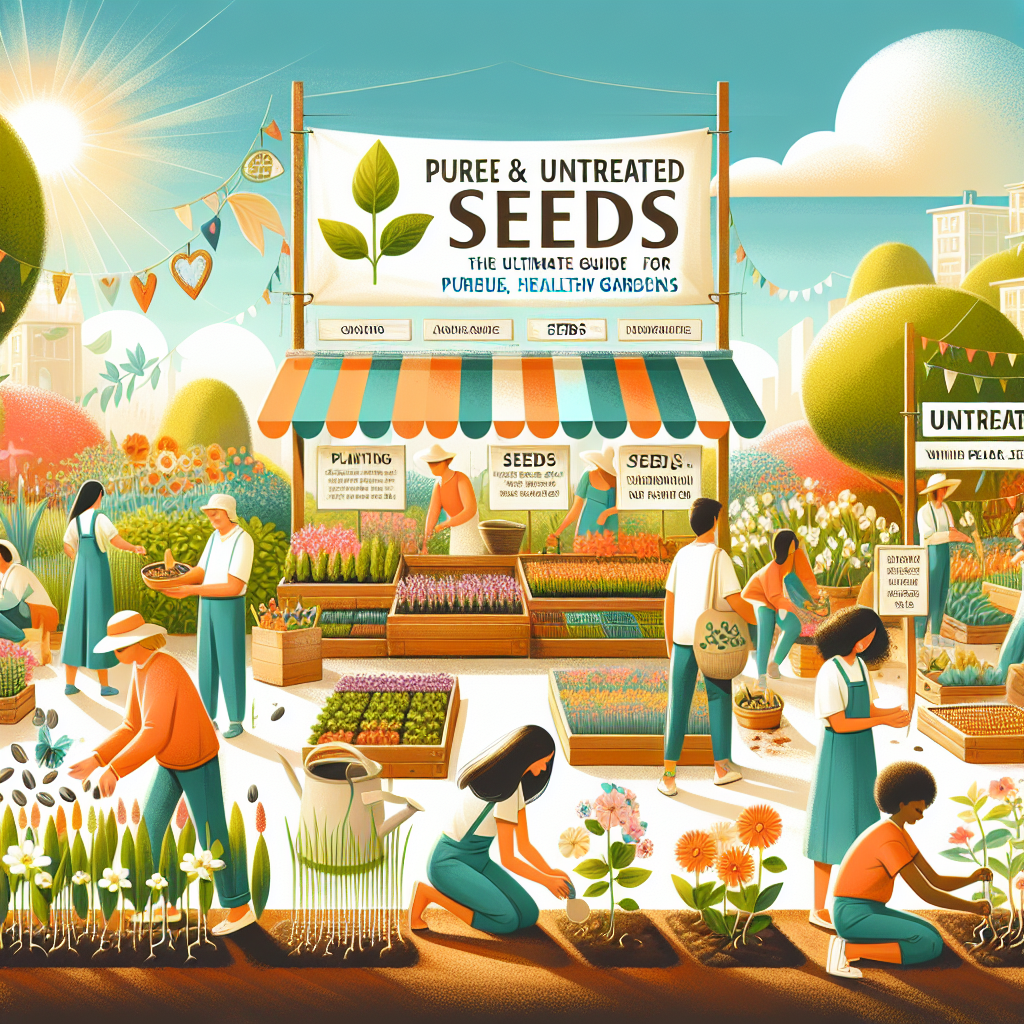
Organic seed exchanges and plant swaps often feature home-saved untreated seeds. These community-driven events are a fantastic way to discover rare varieties, meet local growers, and share gardening advice. Saving seeds from previous harvests is another traditional route, ensuring you always have access to untreated, adapted seeds.

Online Retailers and Seed Catalogs
Hundreds of online catalogs offer untreated vegetable seeds, herb seeds, and flower seeds. When navigating these sites, use search terms like “untreated,” “organic,” or “heirloom” and double-check product descriptions. Many reputable companies highlight untreated options and will clarify the difference between treated and untreated seeds.
Understanding Seed Labels: What to Look For
When purchasing, carefully read the seed packet or product description. Here are some keywords to help you identify untreated seeds:
- Untreated: No synthetic coatings or chemicals applied.
- Organic: Grown to organic standards; usually untreated.
- Non-GMO: Seed genetics have not been modified in a laboratory.
- Heirloom or open-pollinated: You can save and replant these seeds, ensuring future generations of chemical-free plants.
However, note that not all organic or heirloom seeds are automatically untreated—always confirm.
Tips for Planting Untreated Seeds
Using untreated seeds requires a bit of know-how, as they don’t have protective chemical coatings. Here are tips for a bountiful harvest:
- Practice crop rotation: Prevent soil-borne diseases and pests naturally.
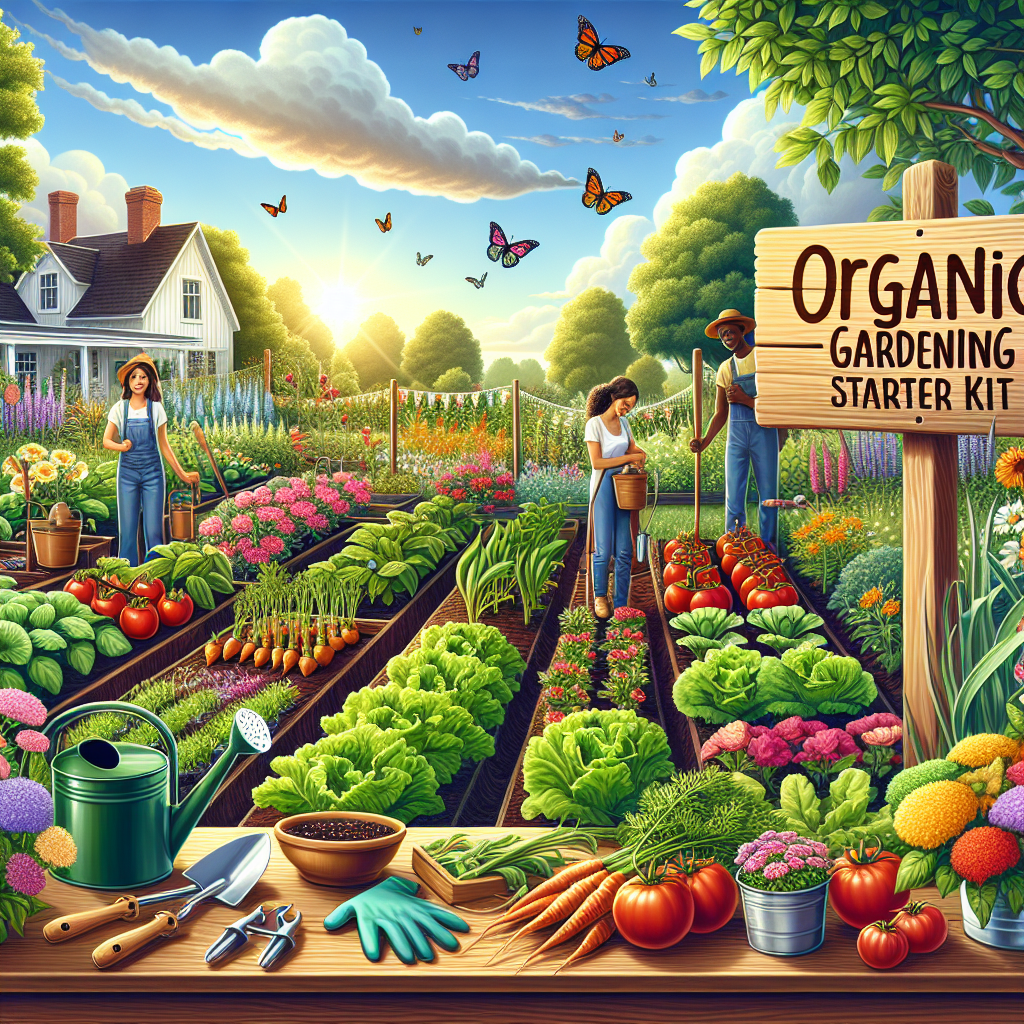
- Start with healthy soil: Amended with compost or organic matter for robust plant growth.
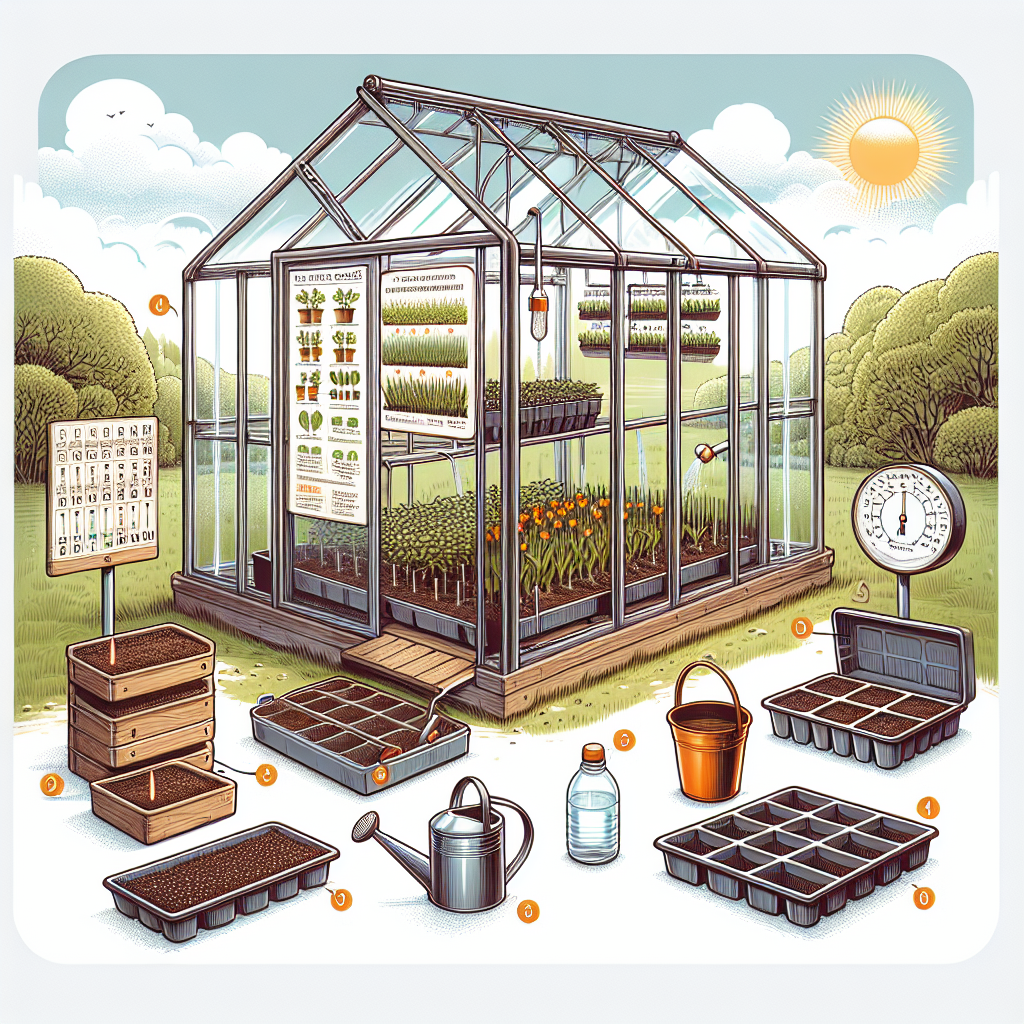
- Monitor moisture: Keep soil evenly moist, but not soggy, especially during early germination stages.
- Mulch: Add mulch or a protective cover to maintain soil temperature and discourage weeds.
- Use natural treatments: If you face soil diseases, use hot water or hydrogen peroxide seed soaks (which don’t leave residues).
Popular Types of Untreated Seeds
Whether you want to grow vegetables, herbs, or flowers, there is a wide selection of untreated seeds for your garden:
- Tomato and pepper varieties (heirloom and open-pollinated)
- Lettuce, kale, and leafy greens
- Root vegetables: carrots, beets, radishes
- Herbs: basil, parsley, cilantro, dill
- Sunflowers, marigolds, and wildflowers for pollinators

Storing and Saving Untreated Seeds
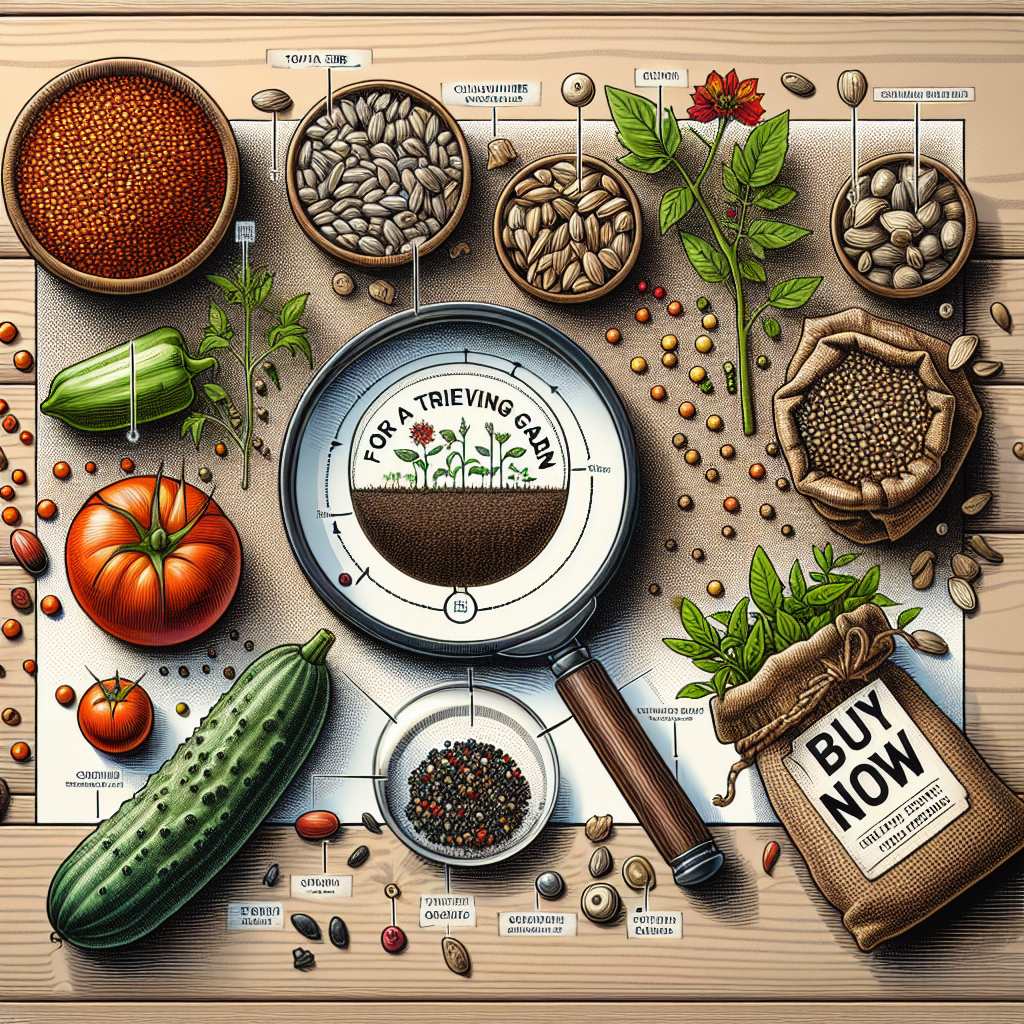
After buying untreated seeds, keep them in a cool, dry, dark place until planting time. Good storage ensures vitality and reduces the risk of fungal growth. At the end of the season, save seeds from the strongest plants to build future harvests that adapt to your local climate. Label your seeds accurately with type and year collected for best results.
Frequently Asked Questions: Untreated Seeds
-
Are untreated seeds safe for organic gardening?
Yes, untreated seeds are preferred for organic gardens as they meet organic growing standards from the start. -
Can I use untreated seeds in all climates?
Absolutely! Just ensure you select varieties suited to your local growing zone. -
How can I tell if seeds are untreated?
Check for clear labeling, and ask the seller for certification or details if in doubt. -
Are untreated seeds more prone to disease?
Not necessarily, especially if you maintain healthy soil and practice good garden hygiene. Some gardeners use natural seed soaks for extra protection.
Conclusion: Making the Best Choices for Your Garden
Choosing where to buy untreated seeds for planting is an investment in your health, your garden’s biodiversity, and the wider ecosystem. By selecting seeds free from chemical treatment, you’re taking a step toward safer food, cleaner soil, and more vibrant pollinator habitats. Whether you shop locally, join a community swap, or browse online catalogs, remember to look for key terms and ask about the source. Happy, healthy planting begins with untreated seeds!