Unlocking Growth: Best Organic Fertilizer Options for Seedlings 2024
Getting your seedlings off to a strong, healthy start is crucial for their later development and eventual harvest. In 2024, a growing number of gardeners and commercial growers are turning to organic fertilizer options for seedlings, seeking sustainable, eco-friendly ways to boost plant vitality, root growth, and natural resistance to pests and diseases. In this article, we’ll explore why organic nutrients are the best choice for young plants, compare leading products and homemade options, and discuss the latest trends and tips for using organic fertilizers for seedlings.

Why Choose Organic Fertilizer for Seedlings?
- Gentle on Young Roots: Organic nutrients provide a slow release of essential elements, reducing the risk of root burn that can occur with synthetic fertilizers.
- Improved Soil Structure: Natural compost and organic matter boost soil biodiversity, promoting beneficial microorganisms crucial for healthy seedlings.
- Environmentally Responsible: Organic fertilizers reduce chemical runoff, protect pollinators, and help build long-term soil fertility for sustainable gardening in 2024 and beyond.
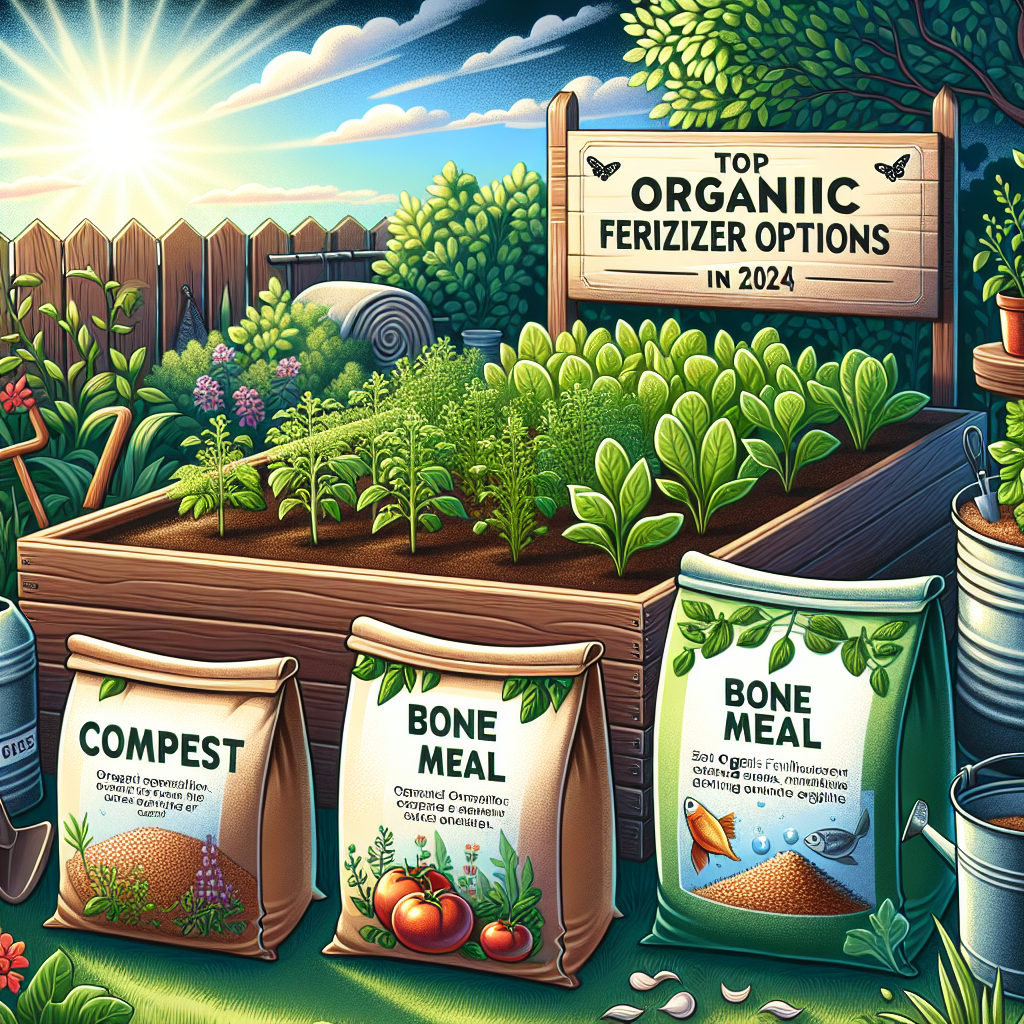
Top Organic Fertilizer Options for Seedlings in 2024
Today’s market offers a diverse range of organic fertilizer choices, each with unique benefits tailored to seedling needs. Here are some of the leading options:
1. Worm Castings (Vermicompost)
Rich in nitrogen, phosphorus, and potassium, worm castings provide gentle nourishment, improve soil structure, and help seedlings produce robust root systems. A very popular recommendation for organic seedlings is mixing worm castings into starting soil or making a diluted “worm tea” to water young plants.
2. Seaweed Extract and Kelp Meal
These ocean-sourced fertilizers deliver trace minerals and growth hormones that stimulate seedlings’ growth and stress resilience. Seaweed extracts are often used as a liquid foliar spray or root drench.

3. Fish Emulsion
A classic organic option for quick seedling growth, fish emulsion provides balanced nutrition and can be applied as a mild liquid fertilizer. Its nutrients are readily available and ideal for sustainable vegetable gardening and flower seedlings.
4. Homemade Compost Tea
Compost tea is a garden favorite for feeding seedlings organically. Steep mature compost in water, strain it, and use the liquid to gently nourish plants, adding beneficial microbes to the seedling environment.
5. Plant-Based Fertilizers (Alfalfa, Soy, Cottonseed Meal)
These vegetarian options offer a slow-release source of nitrogen, supporting leafy growth and healthy development. Best mixed into seed-starting mixes or used as a top dressing during transplanting.
How to Apply Organic Fertilizers to Seedlings
- Choose the Right Timing: Start feeding seedlings once they develop their first set of true leaves. Avoid fertilizing immediately after sprouting to prevent root stress.
- Dilute Well: Always dilute liquid organic fertilizers to half or quarter strength for young seedlings to prevent overfeeding.
- Apply Evenly: Use a fine watering can or spray bottle for consistent, gentle watering. Cover the soil surface, and avoid wetting leaves excessively to reduce the risk of disease.
- Monitor Growth: Check seedlings regularly for signs of nutrient deficiency (pale leaves, stunted growth) or excess (brown tips, burned roots), and adjust fertilizer frequency accordingly.
Popular Questions about Organic Seedling Fertilizers in 2024
- What are the best organic fertilizer nutrients for tomatoes, peppers, and herbs?
For fruiting vegetables and herbs, choose fertilizers with a balanced NPK ratio—worm castings, kelp meal, and fish emulsion are all excellent choices. - Can I use manure on seedlings?
Only use well-composted manure. Fresh manure is too strong and may harm young plants. Compost tea made from mature manure can be a safe boost. - Is bone meal organic and suitable for seed starting?
Bone meal is organic and adds phosphorus, which supports healthy root growth, but it’s best for transplants rather than delicate seedlings. - How often should I fertilize seedlings organically?
Generally, feed seedlings every 1-2 weeks with a gentle, dilute solution. Always monitor growth and adjust based on plant response.
Trends and Innovations in 2024: Sustainable Fertilizer Solutions
This year, organic gardening supplies are seeing innovation with probiotic and biofertilizer blends that combine nutrients and beneficial bacteria, further improving seedling vigor. There’s growing interest in local, regenerative fertilizer sources, such as city compost programs and farm-based worm castings, as gardeners look to close the loop on waste and keep their gardens truly organic.

Tips for Healthy Seedlings with Organic Fertilizer
- Use seed-starting mixes for optimal drainage and add 10-20% organic material like worm castings or compost.
- Keep seedlings warm and well-lit—organic fertilizer works best when combined with adequate light and proper watering techniques.
- Rotate fertilizer types or use blends to provide a full spectrum of nutrients and promote biodiversity in the soil.
- Check seedling roots periodically for signs of good health: white, fuzzy roots signal a thriving organic environment!
Conclusion: The Organic Advantage for Seedlings in 2024
Choosing the right organic fertilizer for seedlings in 2024 means healthier growth, stronger roots, and a more sustainable future for your garden. Whether you opt for worm castings, kelp extracts, fish emulsion, or your own homemade compost tea, your seedlings will benefit from the natural, balanced nutrition that organic options provide. Experiment, observe, and enjoy watching your plants flourish from the very start.